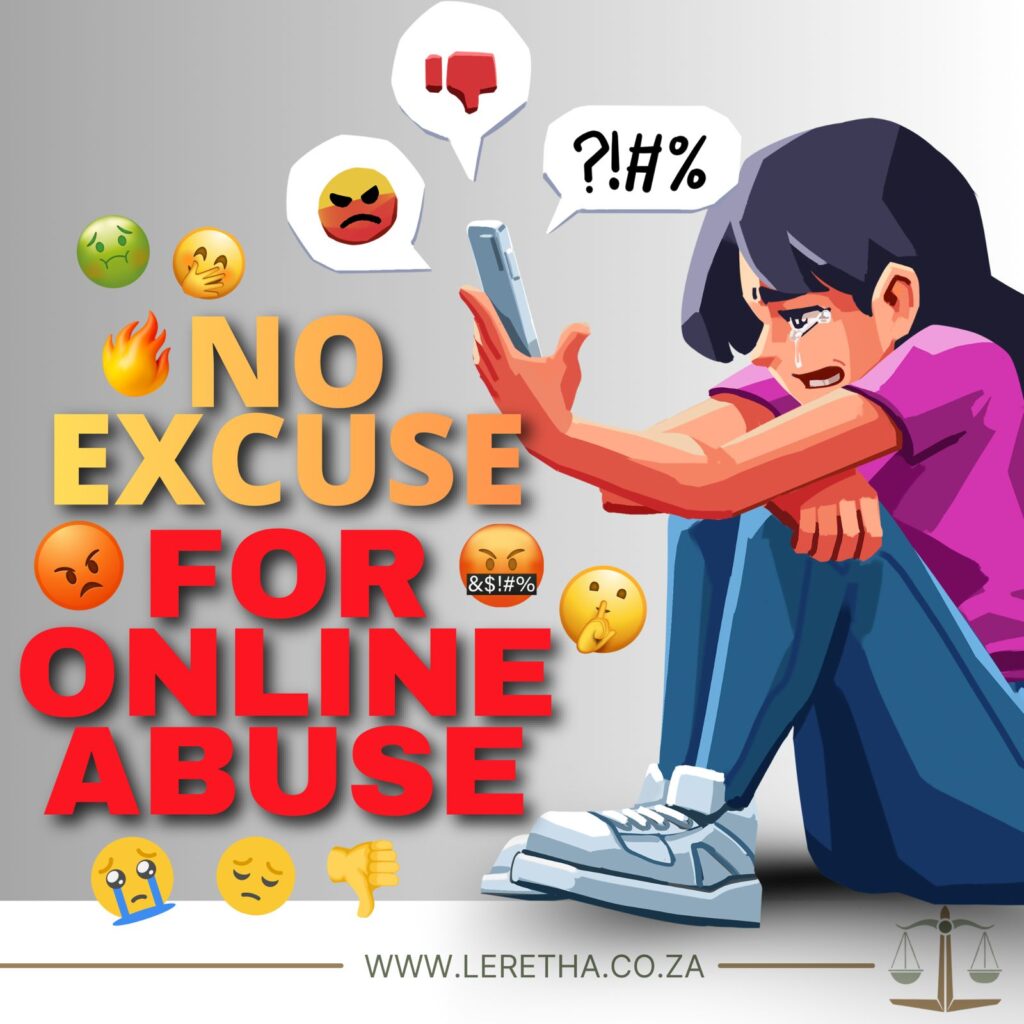
On 10 December, Australia will introduce one of the most decisive regulatory shifts of the digital era. Children under the age of 16 will no longer be permitted to hold social media accounts. Platforms will be legally required to prevent underage sign-ups, remove existing accounts and apply significantly stricter age verification systems.
The decision follows sustained concern from child psychologists, online safety regulators and lawmakers. Key issues include rising online harassment, exposure to harmful strangers, the psychological effects of constant comparison, the monetisation of children through digital platforms and growing links between social media use and declining mental health.
At its core, the law rests on one principle. Children should not be forced to compete in the attention economy before they are developmentally equipped to do so.
Australia’s eSafety Commissioner has repeatedly warned that high-visibility child accounts are actively targeted by predators and exploitative actors, particularly during school holidays and festive periods when children spend more time online. The legislation addresses this risk at its source by limiting exposure altogether.
The ban has immediate consequences for influencer-driven economies, particularly family vloggers, child creators and parents who earn income through their children’s online presence.
Families whose content relies on minors will be required to remove or restrict child-centred material, comply with stricter account controls and verification rules, and shift towards parent-led or general family content. Additional proof of guardianship may be required by platforms.
One of the most contested outcomes is the loss of income for parents who monetise their children. While some argue this revenue supports households, lawmakers have taken a firm position. Financial benefit cannot outweigh a child’s right to privacy, dignity and safety.
Child rights organisations internationally have welcomed the move, noting that children cannot meaningfully consent to having their digital identities created, stored and monetised in ways that follow them for life.
The legislation also responds to an issue social media companies themselves have acknowledged. Underage users are consistently targeted by strangers, harassment and manipulation.
The festive season presents a heightened risk. Children are out of school, online for longer periods and often less supervised. Law enforcement agencies worldwide report an increase in predatory activity during December and early January.
By excluding under-16s from major platforms, Australia aims to reduce unsolicited contact, grooming attempts, inappropriate messaging and algorithm-driven exposure to harmful content. The approach functions as both a safety intervention and a public health measure.
South Africa faces many of the same realities that prompted Australia’s action.
Children in South Africa access social media at a young age, often with limited regulation. Family influencer content is growing rapidly, frequently without clear consent frameworks, earnings protection or long-term privacy safeguards. Local cybercrime units continue to warn of increased online predatory activity, particularly during holiday periods. Festive season dynamics leave many children unsupervised on devices while parents work, travel or manage year-end pressures. At the same time, mental health concerns linked to social comparison, cyberbullying and performance pressure are becoming increasingly visible.
Australia’s policy offers South Africa a framework to consider protection rather than restriction. It recognises that children are being exposed to adult-level digital risks without the tools to manage them.
As South Africa enters a high-risk festive period, policymakers should urgently examine age verification standards, limits on child-centred influencer monetisation, mandatory digital safety education for parents, clearer platform reporting obligations and defined rules governing children’s participation in commercial online content.
Australia has acted early. South Africa has the opportunity to be proactive rather than reactive.
The internet is not neutral. It is shaped by algorithms, monetisation and actors who do not always have benign intentions. Australia’s legislation repositions childhood around safety rather than visibility and profit.
As online predators become more active during the festive season and as influencer culture continues to involve younger children, a critical truth is emerging. Protecting children online is not censorship. It is care, responsibility and necessary regulation in an increasingly complex digital world.
Newsletter Disclaimer: The views, opinions, and legal interpretations expressed herein are subject to change, as they may be influenced by new developments, amendments to the law, or judicial interpretations. While every effort is made to ensure the accuracy and relevance of the content at the time of publication, readers are advised to seek personalised legal counsel to address their specific circumstances.